10 Biggest Crypto Scams in History That Shocked Investors


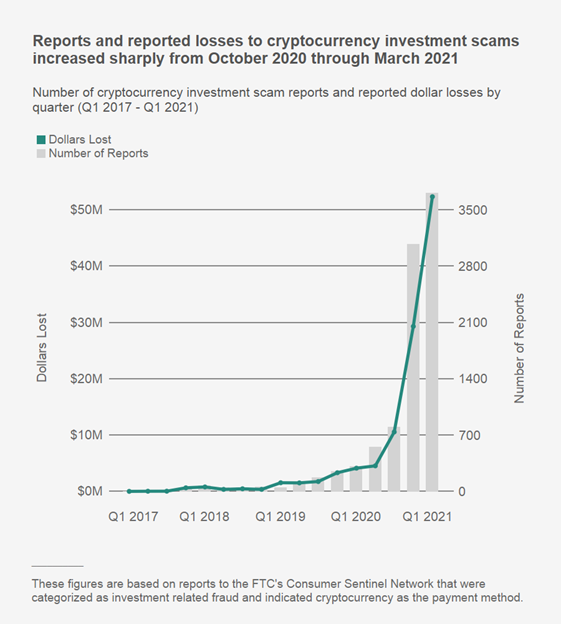
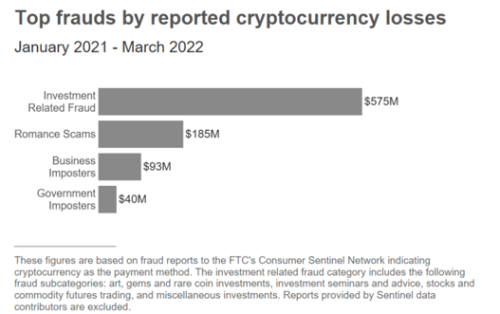
The cryptocurrency industry has transformed global finance, creating new opportunities for investment, innovation, and decentralized technology. However, alongside rapid growth came a darker side: scams, frauds, and Ponzi schemes that have cost investors billions of dollars.
Over the past decade, some crypto scams have become legendary due to the massive losses they caused. These scandals not only destroyed fortunes but also damaged trust in the crypto ecosystem.
In fact, the 10 largest crypto scams alone have resulted in more than $23 billion in losses worldwide, showing how dangerous fraudulent projects can be.
In this article, we explore the 10 biggest cryptocurrency scams in history, how they worked, and what investors can learn to avoid similar traps.
1. FTX Collapse (2022)


Estimated Loss: $8–9 Billion
The collapse of the FTX exchange in 2022 shocked the global crypto industry. FTX was once considered one of the largest and most trusted cryptocurrency exchanges in the world.
The platform was founded by Sam Bankman-Fried and quickly gained popularity among retail and institutional investors. However, investigations revealed that customer funds were secretly transferred to a trading firm called Alameda Research.
When users attempted to withdraw funds during a market panic, the exchange could not cover the liquidity demand, leading to bankruptcy.
The FTX scandal became one of the largest financial fraud cases in modern history and triggered stricter regulatory discussions around cryptocurrency exchanges.
2. OneCoin (2014–2017)


Estimated Loss: $4.4 Billion
OneCoin is widely considered one of the biggest Ponzi schemes ever created in the cryptocurrency industry.
The project was founded by Ruja Ignatova, often called the “Crypto Queen.” She promoted OneCoin as the next Bitcoin and attracted millions of investors worldwide.
However, OneCoin did not even have a real blockchain. Instead, it was essentially a pyramid scheme where new investor money paid older investors.
In 2017, Ignatova disappeared and remains missing to this day.
3. BitConnect (2016–2018)


Estimated Loss: $2–3 Billion
BitConnect promised investors extremely high returns through a so-called automated trading bot. The platform claimed it could generate profits from crypto volatility.
Users were encouraged to deposit Bitcoin and receive daily returns of up to 1%.
In reality, the system functioned as a classic Ponzi scheme. When regulators began investigating, the platform shut down in 2018 and its token price crashed by more than 90% in a single day.
Thousands of investors lost their savings.
4. PlusToken (2018–2019)

Estimated Loss: $2–6 Billion
PlusToken was a fake crypto wallet and investment platform that promised users high returns if they stored their cryptocurrency on the app.
The platform attracted millions of users, especially in Asia.
Investors were promised monthly profits of up to 30%, which is a classic warning sign of fraud. When the scheme collapsed, billions of dollars worth of cryptocurrency disappeared.
Authorities later arrested several members of the group, but much of the stolen funds remain unrecovered.
5. Thodex Exchange Exit Scam (2021)


Estimated Loss: $2 Billion
Thodex was a cryptocurrency exchange based in Turkey. In 2021, the exchange suddenly stopped withdrawals and trading.
Shortly after, the founder disappeared, allegedly fleeing the country with billions of dollars belonging to customers.
More than 400,000 users lost access to their funds, making it one of the largest exchange exit scams in history.
6. Africrypt (2021)

Estimated Loss: $3.6 Billion
Africrypt was a cryptocurrency investment platform founded by two brothers in South Africa.
The company claimed to use advanced AI trading algorithms to generate profits.
In 2021, the platform suddenly went offline, and the founders reportedly disappeared with billions of dollars worth of Bitcoin.
The incident shocked investors worldwide and highlighted the dangers of trusting unregulated investment platforms.
7. BitClub Network (2014–2019)


Estimated Loss: $722 Million
BitClub Network claimed to offer investors access to profitable Bitcoin mining operations.
Participants were encouraged to purchase mining shares and recruit new members.
However, investigations later revealed that the operation was a Ponzi scheme where investor money was redistributed instead of generating real mining profits.
8. Pincoin & iFan (2018)


Estimated Loss: $600 Million
Pincoin and iFan were two crypto projects launched in Vietnam.
They promised investors extremely high returns for purchasing tokens.
When the founders suddenly disappeared, thousands of investors realized the project was a fraud. Large protests erupted in Vietnam as victims demanded their money back.
9. GainBitcoin (2017)

Estimated Loss: $300 Million
GainBitcoin was a crypto investment scheme that promised fixed monthly returns.
Investors were encouraged to recruit new participants in order to earn additional profits.
The scheme eventually collapsed when withdrawals slowed and regulators began investigating the platform.
10. QuadrigaCX (2019)

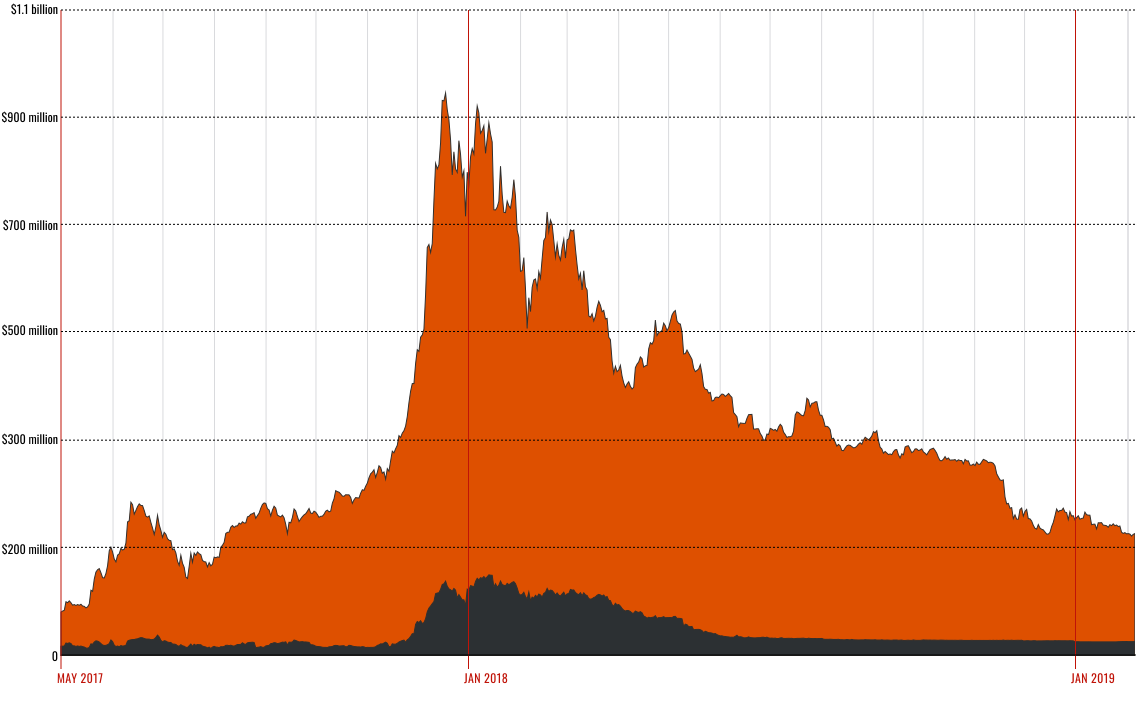
Estimated Loss: $190 Million
QuadrigaCX was once Canada’s largest cryptocurrency exchange.
The scandal began when the exchange’s founder reportedly died while traveling, allegedly holding the only private keys to customer funds.
Without access to those keys, millions of dollars worth of cryptocurrency became permanently inaccessible.
Many investigators later suspected the incident might have been an elaborate fraud.
Why Crypto Scams Keep Happening
Cryptocurrency scams continue to occur for several reasons:
- Lack of regulation in early crypto markets
- Investor greed and unrealistic return expectations
- Anonymous blockchain transactions
- Poor security practices
- Rapid hype cycles around new tokens
Many scammers exploit hype and promise guaranteed profits, which should always raise suspicion.
Warning Signs of a Crypto Scam
Investors should watch for several red flags:
Guaranteed high returns
Legitimate investments never promise fixed profits.
Lack of transparency
Unknown teams and missing project documentation are major risks.
Aggressive marketing
Ponzi schemes often rely heavily on recruitment and social media hype.
No working technology
If a project cannot demonstrate its technology, it may be fraudulent.
Lessons for Crypto Investors
The biggest crypto scams in history provide important lessons for investors:
- Always research a project thoroughly
- Never invest money you cannot afford to lose
- Avoid platforms promising guaranteed profits
- Use trusted exchanges and secure wallets
- Verify whether a project has a real blockchain and transparent team
The crypto industry continues to evolve, but investor education remains the best protection against scams.
Conclusion
While cryptocurrency has created enormous wealth and innovation, it has also attracted some of the largest financial scams in history. From the collapse of FTX to the infamous OneCoin Ponzi scheme, billions of dollars have been lost due to fraud and poor oversight.
Understanding these cases helps investors recognize warning signs and make smarter decisions. As the crypto industry matures, stronger regulations and better investor awareness will hopefully reduce the number of scams in the future.
However, one rule always remains true in crypto investing:
If something sounds too good to be true, it probably is.