The Protocol: Ethereum Foundation Experiments With “DVT-Lite” Technology

Introduction
The Ethereum ecosystem continues to evolve rapidly as developers seek new ways to improve decentralization, security, and accessibility. One of the latest innovations being tested is a simplified staking infrastructure known as “DVT-lite.” This experimental technology is being explored by the Ethereum Foundation as part of its ongoing efforts to improve validator infrastructure and encourage broader participation in Ethereum’s proof-of-stake network.
The initiative gained attention after Vitalik Buterin revealed that the foundation had already deployed the system to stake 72,000 ETH, providing a real-world experiment of the technology.
This move represents more than just a technical test. It signals Ethereum’s broader ambition to simplify staking infrastructure, reduce reliance on centralized service providers, and encourage institutions and independent operators to run their own validators.
In this article, we explore what DVT-lite is, how it works, why the Ethereum Foundation is experimenting with it, and what it could mean for the future of Ethereum staking.
What Is DVT-Lite?
DVT-lite stands for Distributed Validator Technology – Lite, a simplified version of distributed validator architecture designed to make Ethereum staking easier to deploy and manage.
In traditional Ethereum staking, validators are typically operated from a single machine that holds the validator key.
If that machine fails due to power loss, hardware failure, or connectivity problems, the validator can go offline and risk penalties known as slashing.
Full distributed validator technology (DVT) addresses this risk by splitting validator keys across multiple nodes that coordinate to run the validator collectively. However, full DVT setups can be technically complex and require advanced networking and cryptographic configuration.
DVT-lite simplifies the process by allowing multiple machines to run the same validator key simultaneously. If one node fails, another can immediately take over, reducing downtime and operational risk.
This approach provides many of the resilience benefits of full distributed validator systems while remaining significantly easier to deploy.
Why the Ethereum Foundation Is Testing It
The Ethereum Foundation’s experiment with DVT-lite is primarily aimed at solving one of the biggest challenges in Ethereum staking: operational complexity.
Running a validator requires technical expertise, reliable infrastructure, and continuous monitoring. Because of this complexity, many large Ether holders choose to stake through centralized providers such as exchanges or institutional staking services.
According to network data, about 37.5 million ETH—roughly 31% of Ethereum’s supply—is currently staked, highlighting the growing importance of validator infrastructure.
However, a large portion of these validators are controlled by a relatively small number of professional operators.
By simplifying distributed staking, the Ethereum Foundation hopes to:
- Increase validator diversity
- Reduce reliance on centralized staking providers
- Lower operational barriers for institutions
- Improve overall network resilience
Buterin has openly criticized the idea that running blockchain infrastructure should only be done by professionals, describing it as harmful to decentralization.
The 72,000 ETH Deployment
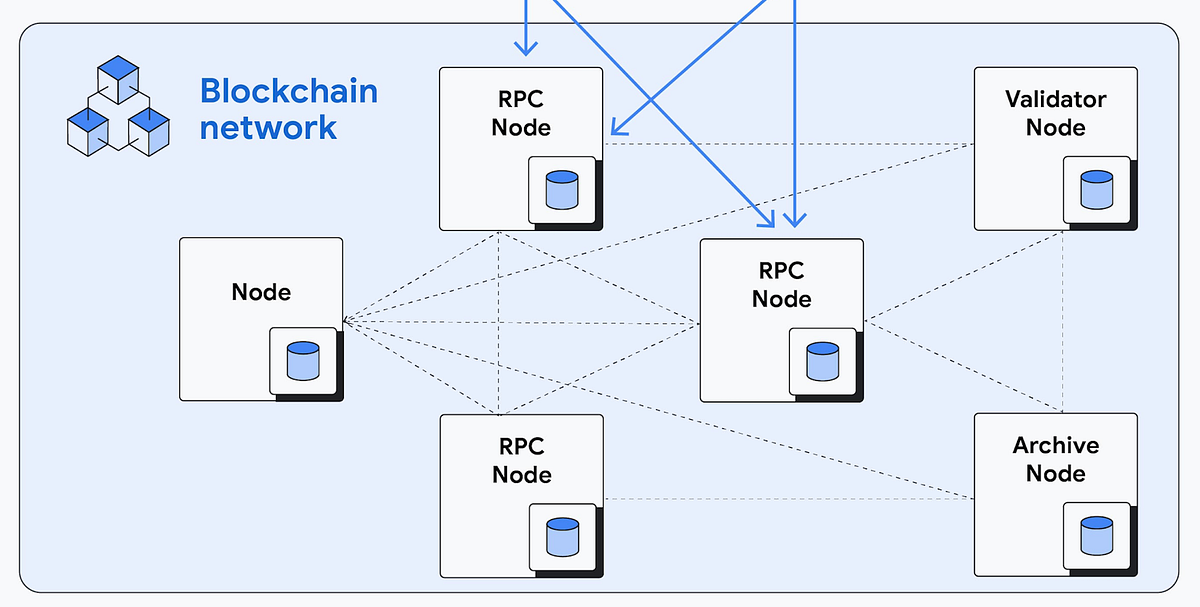
To test the system in real-world conditions, the Ethereum Foundation deployed 72,000 ETH using the DVT-lite configuration.
The funds were deposited into Ethereum’s staking contract and placed into the validator activation queue. Once activated, the validators begin participating in block validation and network consensus.
The experiment is significant because it moves beyond theoretical discussion into practical implementation.
Key details of the deployment include:
- Validators distributed across multiple machines
- Simplified infrastructure configuration
- Automated coordination between nodes
- Failover mechanisms for hardware downtime
The validator rewards generated by the staking operation will be directed back into the Ethereum Foundation’s treasury, helping fund research, development, and ecosystem grants.
How DVT-Lite Works
DVT-lite works by replicating validator keys across several nodes that run identical software configurations.
Instead of splitting the key across machines—as done in traditional distributed validator systems—each machine operates with the same key but communicates with other nodes to ensure reliable performance.
The architecture typically includes:
Multiple Validator Nodes
Each node runs Ethereum validator software on separate machines or servers. These nodes maintain synchronization with the Ethereum network and coordinate validation duties.
Automatic Failover
If one node experiences downtime, another node can automatically continue validation without interrupting network participation.
Containerized Deployment
Developers are exploring deployment using container systems such as Docker, allowing operators to launch validator nodes quickly with minimal manual configuration.
Simplified Configuration
Operators only need to specify which computers run the nodes and provide the validator key through a configuration file.
Once deployed, the nodes automatically discover each other and begin operating as a coordinated cluster.
Benefits of DVT-Lite
The simplified architecture offers several potential advantages for the Ethereum ecosystem.
Improved Reliability
Because multiple machines run validator nodes simultaneously, the system becomes more resilient to hardware failures or network outages.
Lower Technical Barrier
Simplified deployment reduces the complexity required to run validators, allowing more individuals and institutions to participate.
Better Decentralization
By making staking easier, Ethereum could see a larger number of independent validator operators instead of relying on a few centralized service providers.
Institutional Adoption
Large ETH holders such as funds, corporations, and custodians may find it easier to operate validators directly rather than delegating their assets to third-party services.
Institutional Staking Could Expand
One of the most important potential impacts of DVT-lite is the expansion of institutional staking participation.
Many institutions hold large quantities of Ether but avoid running validator nodes due to operational complexity and security concerns.
If DVT-lite succeeds in simplifying deployment, these organizations could begin operating distributed validators themselves.
This shift could bring several benefits:
- Increased validator count
- Higher staking participation rates
- Reduced reliance on custodial services
- Stronger decentralization of network security
It could also strengthen Ethereum’s position as the leading proof-of-stake blockchain for institutional adoption.
Impact on Ethereum’s Security
Ethereum’s proof-of-stake model relies heavily on validators to maintain network security.
More validators generally means:
- Greater decentralization
- Stronger resistance to censorship
- Higher network resilience
- Reduced risk of coordinated attacks
If DVT-lite encourages more participants to run validators, it could significantly improve Ethereum’s long-term security model.
Additionally, distributing validator infrastructure across multiple nodes reduces the risk of downtime penalties, making the system more stable.
Challenges and Risks
Despite its potential benefits, DVT-lite is still an experimental technology and may face several challenges.
Security Concerns
Replicating validator keys across multiple machines introduces new security considerations that must be carefully managed.
Infrastructure Coordination
Even simplified distributed systems require reliable communication between nodes to avoid conflicts.
Adoption Uncertainty
Institutions may still prefer managed staking services due to regulatory and operational considerations.
Regulatory Factors
As governments increasingly regulate crypto infrastructure, running validators may involve compliance requirements that institutions must navigate.
The Future of Distributed Validator Technology
DVT-lite is part of a broader effort to improve distributed validator technology within Ethereum.
Earlier proposals suggested integrating native distributed validator support directly into the Ethereum protocol itself.
If successful, future upgrades could include:
- Built-in distributed staking support
- Improved validator coordination protocols
- Simplified node deployment tools
- More robust infrastructure frameworks
These innovations would help ensure that Ethereum remains decentralized even as institutional participation grows.
What This Means for Ethereum’s Ecosystem
The Ethereum Foundation’s experiment with DVT-lite reflects a broader philosophy within the Ethereum community: accessibility leads to decentralization.
By lowering technical barriers, the network can encourage more users, developers, and institutions to participate directly in the infrastructure that powers Ethereum.
If the experiment succeeds, it could trigger several long-term changes:
- Growth in independent validator operators
- Reduced concentration of staking power
- Improved resilience across the network
- Increased institutional confidence in Ethereum
These outcomes would reinforce Ethereum’s role as one of the most decentralized and secure blockchain networks in the world.
Conclusion
The Ethereum Foundation’s experiment with DVT-lite represents an important step toward simplifying validator infrastructure and expanding participation in Ethereum’s proof-of-stake ecosystem.
By staking 72,000 ETH using the new architecture, the foundation is testing whether distributed staking can be made easier, more reliable, and more accessible for both institutions and independent operators.
If successful, DVT-lite could play a major role in strengthening Ethereum’s decentralization, improving validator reliability, and encouraging broader adoption of staking across the network.
As Ethereum continues to evolve, innovations like DVT-lite demonstrate that improving infrastructure accessibility remains one of the network’s highest priorities.