Bitcoin Price Prediction in [2026–2030] Expert Forecasts and Future of BTC Explained
Bitcoin Price Prediction 2026–2030 Expert Forecasts and Future of BTC Explained
Bitcoin has transformed from an experimental digital currency into one of the most influential financial assets of the 21st century. As the world’s largest cryptocurrency by market capitalization, Bitcoin (BTC) continues to attract investors, institutions, and governments alike. With its supply capped at 21 million coins and increasing global adoption, many analysts believe its price could rise significantly in the coming decade.
This comprehensive guide explores Bitcoin Price Prediction 2026–2030 Expert Forecasts and Future of BTC Explained, analyzing expert predictions, market trends, macroeconomic factors, and technological developments that could shape Bitcoin’s value over the next several years.
Introduction to Bitcoin and Its Market Evolution
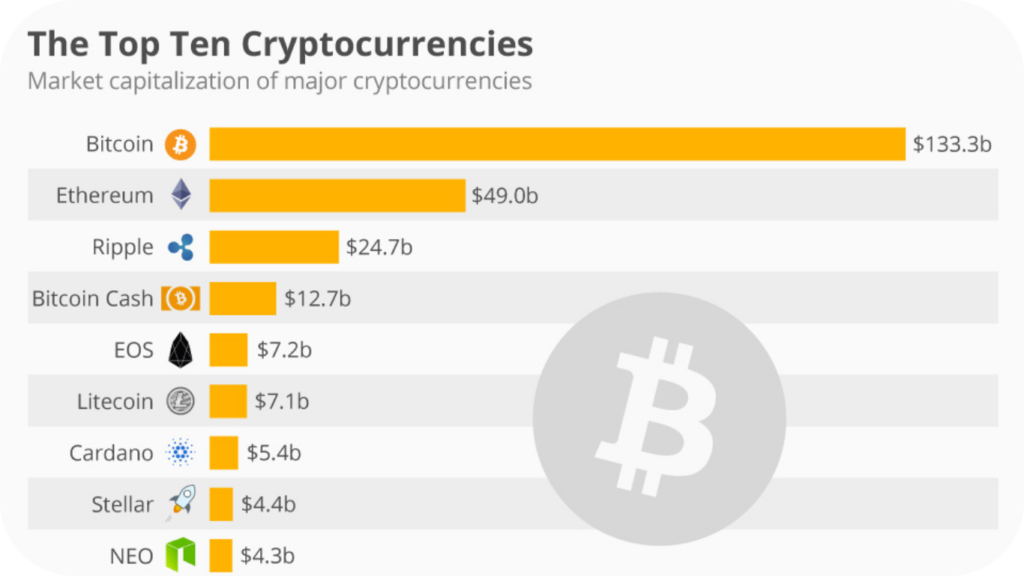
Bitcoin was launched in 2009 by the anonymous creator Satoshi Nakamoto. Its core innovation the blockchain allows decentralized peer-to-peer transactions without intermediaries like banks. Over the years, Bitcoin has evolved from a niche technology used by tech enthusiasts into a global financial asset traded by hedge funds, institutions, and retail investors.
Several key milestones have influenced Bitcoin’s growth:
- Institutional adoption by major investment firms
- The emergence of Bitcoin ETFs
- Increasing global awareness of digital assets
- Growing concerns about inflation and fiat currency devaluation
These developments have contributed to Bitcoin’s meteoric price rise, from less than $1 in its early days to tens of thousands of dollars per coin in recent years.
Why Bitcoin Price Predictions Matter
Bitcoin price predictions help investors, analysts, and policymakers understand the potential trajectory of the cryptocurrency market. However, forecasting BTC’s price is extremely complex because it depends on multiple factors including:
- Supply and demand dynamics
- Global economic conditions
- Regulatory policies
- Technological innovation
- Institutional investment
Bitcoin is also highly volatile, meaning price forecasts should always be considered speculative rather than guaranteed outcomes.
To understand the future of BTC, it’s essential to examine predictions from financial institutions, analysts, and crypto research firms.
Extremely Bullish Forecasts
Some analysts believe Bitcoin could reach unprecedented price levels by the end of the decade.
For example, ARK Invest, led by Cathie Wood, has projected that Bitcoin could reach between $500,000 and $2.4 million by 2030, depending on adoption levels and market penetration.
Their model assumes Bitcoin will gain widespread adoption in several areas:
- Institutional investment portfolios
- Corporate treasury reserves
- Emerging-market financial systems
- On-chain financial services
In the firm’s base case scenario, BTC could reach around $1.2 million by 2030, representing massive growth compared with current levels.
Moderate Institutional Forecasts
Traditional financial institutions tend to provide more conservative projections.
For example, analysts at Standard Chartered expect Bitcoin to reach around $500,000 by 2030, driven primarily by institutional adoption and ETF inflows.
While still extremely bullish compared to today’s prices, this prediction reflects a slower and more gradual growth trajectory.
Conservative Models
Some prediction models use historical data and incremental growth assumptions.
For instance, one forecasting model suggests Bitcoin could reach roughly €84,000–€85,000 by 2030, representing modest growth over the next several years.
These projections assume slower adoption and more traditional financial market behavior
Year-by-Year Bitcoin Price Prediction (2026–2030)
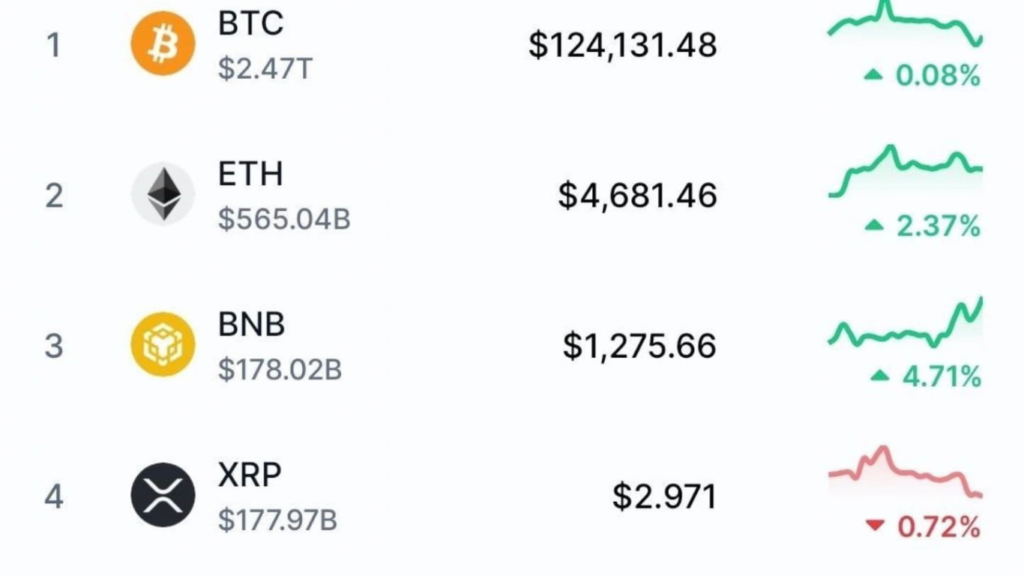
Below is a general outlook combining expert forecasts, historical cycles, and macroeconomic trends.
Bitcoin Price Prediction 2026
Expected range: $100,000 – $180,000
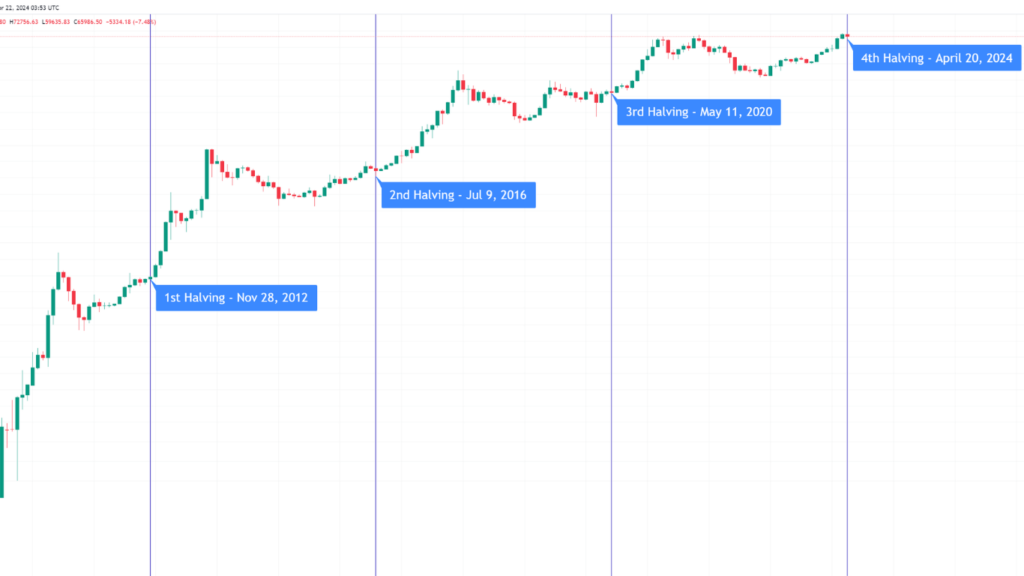
By 2026, Bitcoin may experience significant growth following the 2024 halving cycle. Historically, Bitcoin reaches new highs within 12–18 months after a halving event.
Potential drivers:
- Continued ETF inflows
- Growing institutional adoption
- Increasing retail investor participation
However, the market could also face corrections due to macroeconomic uncertainty or regulatory changes.
Bitcoin Price Prediction 2027
Expected range: $120,000 – $250,000
By 2027, Bitcoin may enter a consolidation phase after a major bull cycle.
Possible developments:
- More governments adopting crypto regulations
- Central banks exploring Bitcoin reserves
- Integration of Bitcoin into financial infrastructure
During this phase, Bitcoin may behave more like a mature financial asset with reduced volatility.
Bitcoin Price Prediction 2028
Expected range: $180,000 – $350,000
2028 could mark the beginning of another major bullish cycle because the next Bitcoin halving is expected around that time.
Key catalysts may include:
- Supply reduction from halving
- Increased institutional demand
- Growth of Bitcoin layer-2 technologies
Historically, halving events trigger supply shocks that push prices upward.
Bitcoin Price Prediction 2029
Expected range: $250,000 – $450,000
By 2029, Bitcoin could become widely recognized as a global store of value similar to gold.
Potential factors influencing the market include:
- Expansion of crypto financial services
- Increased adoption in emerging economies
- Integration with traditional financial systems
Many analysts believe Bitcoin’s market capitalization could rival gold by the end of the decade.
Bitcoin Price Prediction 2030
Expected range: $300,000 – $1,000,000+
The year 2030 is often considered a milestone in crypto forecasts.
Some experts believe Bitcoin could reach $500,000 or more, while extremely bullish models predict prices exceeding $1 million per coin.
The final outcome will depend on several factors including global adoption, technological development, and macroeconomic conditions.
Key Factors That Will Influence Bitcoin’s Price
Understanding Bitcoin’s long-term price potential requires analyzing the major forces shaping the market.
1. Institutional Adoption
Large financial institutions are increasingly investing in Bitcoin through:
- ETFs
- hedge funds
- corporate treasuries
Institutional capital could significantly increase demand for Bitcoin over the next decade.
2. Bitcoin Halving Cycles
Bitcoin undergoes a halving event approximately every four years. During this event:
- Mining rewards are cut in half
- New BTC supply decreases
Historically, halving events have triggered major bull markets.
3. Global Economic Conditions
Bitcoin is often described as “digital gold” because it can act as a hedge against inflation.
If global inflation rises or fiat currencies weaken, demand for Bitcoin could increase dramatically.
4. Regulation and Government Policies
Regulatory frameworks will play a major role in Bitcoin’s future.
Positive regulation could:
- Encourage institutional investment
- Increase market stability
- Improve mainstream adoption
Negative regulations could temporarily slow market growth.
5. Technological Innovation
Bitcoin’s ecosystem is continuously evolving.
Important innovations include:
- Lightning Network (fast payments)
- Bitcoin Layer-2 scaling solutions
- Institutional custody services
These improvements could make Bitcoin more practical for everyday use.
Risks That Could Affect Bitcoin’s Future
Despite its potential, Bitcoin still faces several risks.
Market Volatility
Bitcoin’s price can fluctuate dramatically in short periods.
Regulatory Crackdowns
Governments could introduce strict regulations on cryptocurrencies.
Technological Competition
Other blockchain networks may compete with Bitcoin for market dominance.
Macroeconomic Shocks
Global recessions or financial crises could temporarily reduce investment in crypto assets.
Bitcoin vs Gold The Digital Store of Value Debate
Many analysts compare Bitcoin to gold because both assets share several characteristics:
| Feature | Bitcoin | Gold |
|---|---|---|
| Supply | Fixed (21 million) | Limited but expandable |
| Portability | Extremely high | Moderate |
| Storage | Digital wallets | Physical vaults |
| Transfer speed | Minutes | Days |
Because of these advantages, some investors believe Bitcoin could eventually surpass gold as the dominant store of value.
What Experts Say About Bitcoin’s Long-Term Future
Experts remain divided on Bitcoin’s long-term outlook.
Bullish analysts believe:
- Bitcoin could become a global reserve asset
- Institutional investment will drive massive demand
- The limited supply will create long-term scarcity
Skeptics argue:
- Cryptocurrency volatility is too high
- Regulation may restrict growth
- Alternative technologies could replace Bitcoin
Despite these debates, Bitcoin remains the most dominant cryptocurrency by market capitalization.
Investment Strategies for Bitcoin (2026–2030)
For long-term investors, several strategies may help manage risk.
1. Dollar-Cost Averaging (DCA)
Investing small amounts regularly reduces the impact of volatility.
2. Long-Term Holding (HODL)
Many investors believe holding Bitcoin for several years is the best strategy.
3. Portfolio Diversification
Combining Bitcoin with other assets can reduce overall investment risk.
The Future of Bitcoin Beyond 2030
Many analysts believe Bitcoin’s most significant growth may come after 2030, driven by global adoption, technological maturity, and integration with traditional financial systems. Here’s how it might unfold:
Bitcoin as a Global Reserve Asset
- Some economists predict that central banks might hold Bitcoin alongside gold and other fiat reserves.
- This would increase demand and could significantly drive up Bitcoin’s market value, potentially into the trillions of dollars.
- Bitcoin’s fixed supply of 21 million coins makes it attractive as a hedge against inflation, unlike fiat currencies.
Integration into Traditional Banking Systems
- Banks may start offering Bitcoin-denominated accounts, loans, and payment services.
- Financial institutions could integrate Bitcoin into their core systems for settlements and custodial services.
- This would help mainstream adoption, making Bitcoin easier and safer to use for individuals and businesses.
Widespread Use for International Settlements
- Bitcoin could become a preferred method for cross-border payments, reducing dependence on SWIFT and other traditional intermediaries.
- Benefits include lower transaction costs, faster settlement times, and greater transparency.
- Corporations and governments might use Bitcoin to diversify foreign exchange exposure.
Market Implications
- If these scenarios materialize, Bitcoin’s market capitalization could reach trillions, potentially rivaling or surpassing gold’s total market value.
- Price volatility may persist in the short term, but long-term adoption could stabilize value.
- Investors might increasingly view Bitcoin as a strategic long-term asset rather than a speculative instrument.
Risks and Considerations
Competition: Central bank digital currencies (CBDCs) or new cryptocurrencies could alter adoption trends.s.
Regulatory challenges: Governments may introduce stricter controls or taxation.
Technological risks: Quantum computing or network vulnerabilities could threaten security.
Final Thoughts on Bitcoin Price Prediction 2026–2030 Expert Forecasts and Future of BTC Explained
Bitcoin’s future remains one of the most debated topics in finance and technology. Predictions range from conservative estimates of around $80,000–$100,000 to extremely bullish scenarios exceeding $1 million per coin by 2030.
While no one can predict the exact price of Bitcoin, several trends are clear:
- Institutional adoption is increasing
- Bitcoin’s supply remains limited
- Global interest in digital assets continues to grow
For investors and crypto enthusiasts, the next decade could be one of the most important periods in Bitcoin’s history.
Whether Bitcoin becomes the world’s dominant digital asset or remains a speculative investment, its impact on the global financial system is already undeniable. see